
You want to know which comes out on top: interactive display or traditional projector.
Dive into the debate on cost, engagement interactive smart board, quality, installation, and versatility.
Find out which option wins the battle for your needs and preferences.
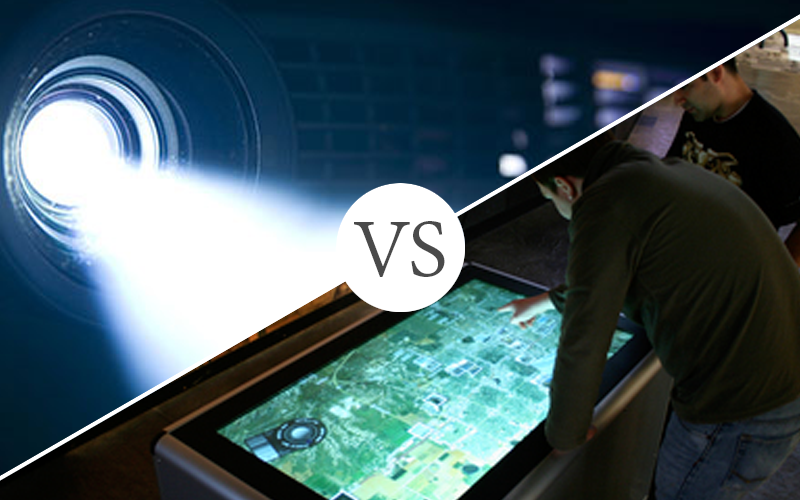
Cost-Effectiveness and Affordability
If you’re looking for a cost-effective solution for your classroom or business presentations, an interactive display offers greater affordability than a traditional projector. Interactive displays eliminate the need for additional accessories like bulbs or replacement parts, reducing long-term costs.
With touch capabilities and built-in software interactive smart board malaysia, interactive displays enhance user engagement, making learning or presenting more interactive and effective. Unlike projectors that require dimly lit rooms for optimal viewing, interactive displays perform well in various lighting conditions, giving you the freedom to use them anywhere.
Additionally, interactive displays have longer lifespans than projectors, further adding to their cost-effectiveness. By choosing an interactive display, you not only save money in the long run but also gain a versatile and reliable presentation tool.
Interactive Features and Engagement
For an engaging and immersive presentation experience, consider the interactive features of an interactive display over a traditional projector. Interactive displays allow you to directly manipulate content, fostering active participation and boosting audience engagement.
With touch capabilities, you can annotate, draw, or interact with digital content in real-time, making your presentations dynamic and captivating. Unlike traditional projectors, interactive displays offer multi-touch functionality, enabling collaboration among multiple users simultaneously.
These features empower you to tailor presentations to your audience’s needs, encouraging interaction and enhancing communication. By embracing interactive displays, you break free from the constraints of one-way communication, creating a more interactive and engaging environment that elevates the overall presentation experience.
Display Quality and Clarity
To achieve optimal display quality and clarity, prioritize the resolution and brightness of your chosen device. When selecting between an interactive display and a traditional projector, focus on the resolution to ensure sharper images and text. Higher resolution displays offer clearer visuals, enhancing your viewing experience.
Additionally, consider the brightness levels of the device to prevent dim or washed-out images, especially in well-lit environments. Brighter displays can maintain visibility and readability in various lighting conditions, ensuring that your content remains vibrant and engaging.

Installation and Maintenance Considerations
When considering installation and maintenance, prioritize ease of setup and ongoing care for your chosen device. Opt for an interactive display if you value hassle-free installation. Unlike traditional projectors that require ceiling mounting and regular bulb replacements, interactive displays are typically easier to set up and maintain.
With an interactive display, you can avoid the complexities associated with projector calibration and alignment. Additionally, interactive displays often come with user-friendly interfaces, making maintenance tasks straightforward and less time-consuming.
Simplify your life by choosing a technology that minimizes the need for constant adjustments and upkeep. Embrace the convenience of an interactive display for a seamless installation and maintenance experience.
Versatility and Adaptability
Consider versatility and adaptability when comparing an interactive display with a traditional projector.
With an interactive display, you have the freedom to engage with content directly, fostering collaboration and creativity effortlessly. These displays offer flexibility, allowing you to switch between various inputs seamlessly, accommodating different devices and content types.
In contrast, traditional projectors may limit your options, often requiring specific setups and additional equipment for interactive features.
The adaptability of interactive displays shines as they can serve multiple purposes beyond presentations, such as interactive workshops, brainstorming sessions, and even virtual meetings.
Embrace the versatility of interactive displays for a dynamic and engaging experience that adapts to your needs with ease.
Conclusion
In conclusion, when comparing an interactive display to a traditional projector, the interactive display comes out on top. It offers a more cost-effective and affordable solution, with added interactive features that enhance engagement.
The display quality and clarity are superior, and installation and maintenance are generally easier. Additionally, the versatility and adaptability of an interactive display provide a more dynamic and modern solution for various settings.
Upgrade to an interactive display for a more efficient and engaging experience.